

Summer means more time outside, more trips to the beach and pool, and often, fewer shoes. While sandals, flip-flops and bare feet may feel like part of the season, they can also leave feet vulnerable to burns, blisters, cuts, puncture wounds and other injuries.
Many summer foot problems are minor and can be managed at home. Others may need medical attention, especially with a deep wound, a possible infection, or concern about something being stuck beneath the skin.
On hot days, asphalt, concrete, pool decks and sand can become much hotter than the surrounding air. Bare feet can develop painful thermal burns after even brief contact. Signs may include redness, pain, swelling, blistering or peeling skin. More serious burns may appear pale, white, dark or unusually numb.
For a minor burn, move away from the hot surface and cool the area under cool running water. Avoid placing ice directly on the skin, as extreme cold can cause additional tissue damage. Do not intentionally pop burn blisters. Seek medical care for large or deeply blistered burns, severe pain, or burns that appear white, charred, leathery, or numb.
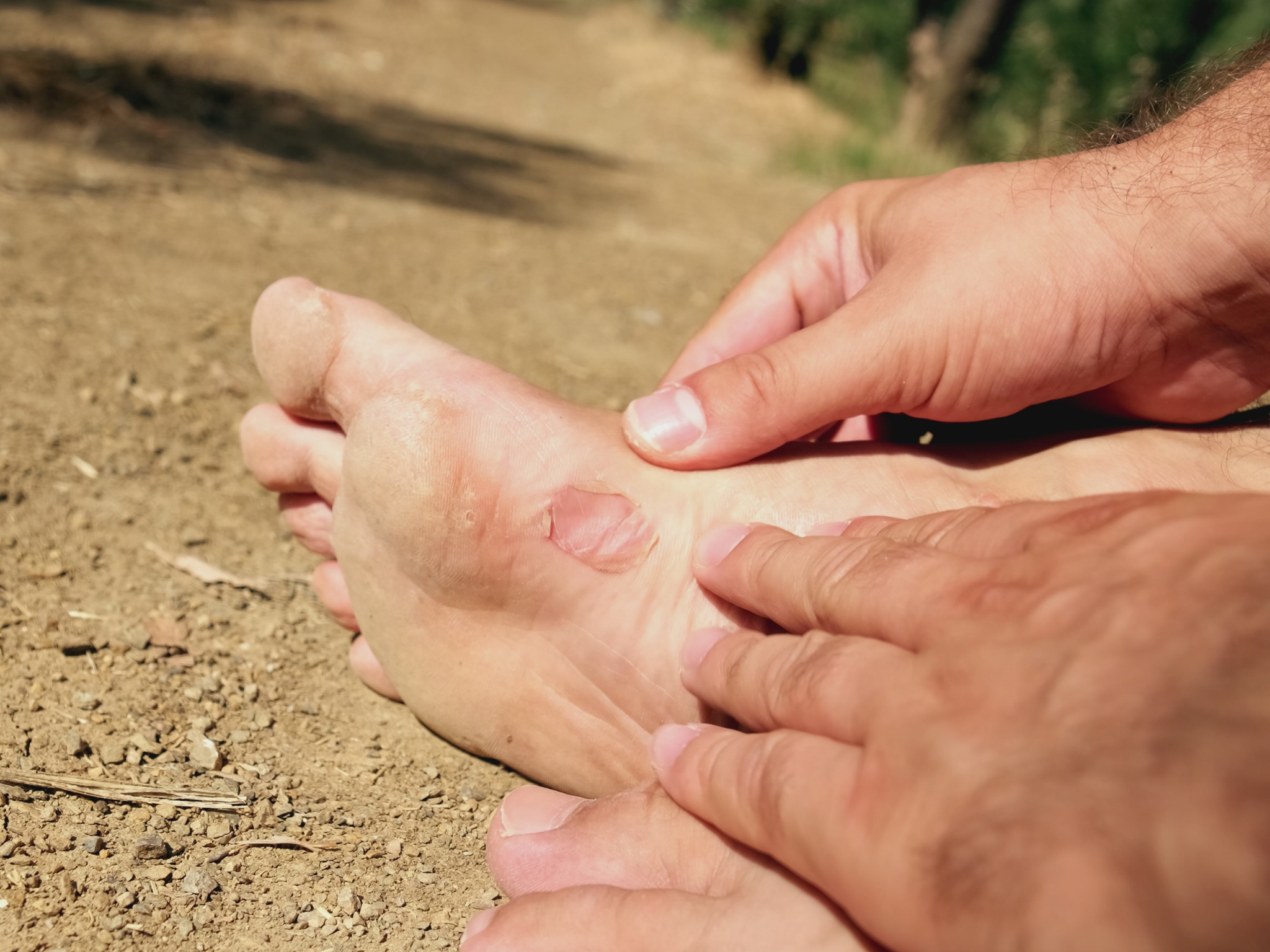
New sandals, long walks, sweaty feet, and shoes worn without socks can create the perfect conditions for friction blisters. Common locations include the heel, toes and areas where sandal straps rub. If a blister is small and intact, it is often best to leave it alone. Cover it with a clean bandage or blister cushion and reduce friction. If it breaks, gently clean the area with soap and water, avoid peeling away attached skin, and apply a clean dressing.
Watch for spreading redness, warmth, swelling, drainage or worsening pain, which may indicate infection. To help prevent blisters, wear properly fitting shoes, break in new footwear gradually and protect areas that begin to feel irritated before a full blister develops.
Bare feet can easily encounter sharp rocks, shells, glass, metal, and rough surfaces. Even a small cut can become a problem if dirt or bacteria enter the wound. For a minor cut, rinse the wound thoroughly with clean running water, then gently clean the area around it with soap. Apply direct pressure with clean gauze if bleeding continues, then cover the area with a clean dressing. Seek medical care if the cut is deep or gaping, bleeding will not stop, debris remains in the wound, or signs of infection develop.
Puncture wounds can happen when a nail, sharp piece of wood, metal object or thorn penetrates the foot. These injuries can be deceptive because the opening may look small even when bacteria or debris have been pushed deeper into the tissue.
A puncture wound through the sole of a shoe deserves particular attention because material from the shoe and surrounding environment may be carried into the wound.
Rinse the area with clean water and avoid aggressively digging into it. Medical evaluation may be appropriate if the wound is deep, occurred through a shoe, may contain a foreign object, causes difficulty walking, or begins showing signs of infection.
Splinters from wooden decks, docks, playground equipment and landscaping materials are common during summer. Small pieces of glass, thorns and other objects can also become lodged in the foot. A superficial splinter may be removable at home with clean tweezers. Wash your hands and clean the skin first, then gently pull the object out in the same direction it entered.
Avoid repeated digging or cutting into the skin. Seek medical care if the object is deeply embedded, breaks during removal, may be glass or causes increasing pain, redness, swelling, or drainage.
Any break in the skin can become infected. Pay attention to symptoms that worsen rather than improve. Possible signs of infection include:
- Spreading redness
- Increasing warmth or swelling
- Pus or cloudy drainage
- Worsening pain
- Red streaks extending from the wound
- Fever or chills
Prompt evaluation is important if infection is suspected, especially when symptoms are progressing quickly. Cuts and puncture wounds can raise questions about tetanus protection. Whether a booster is recommended can depend on the type of wound and when you last received a tetanus-containing vaccine. If you have a deep or contaminated wound and are unsure of your vaccination history, a healthcare professional can help determine whether a booster may be appropriate.
Any summer foot injuries are preventable. Wear shoes or water shoes on hot surfaces, around pools and in areas where sharp objects may be present. Check pavement or sand before allowing young children to walk barefoot, and choose footwear that fits well enough to avoid repeated rubbing.
If an injury does happen, clean it promptly and monitor how it heals. Increasing pain, spreading redness, drainage, difficulty walking, or a wound that is deeper than it first appeared are all reasons to consider medical care. From burns and blisters to cuts, puncture wounds and possible infections, Marque Urgent Care is here to help with life’s everyday summer urgencies.

Favorite Platform
New Content

