

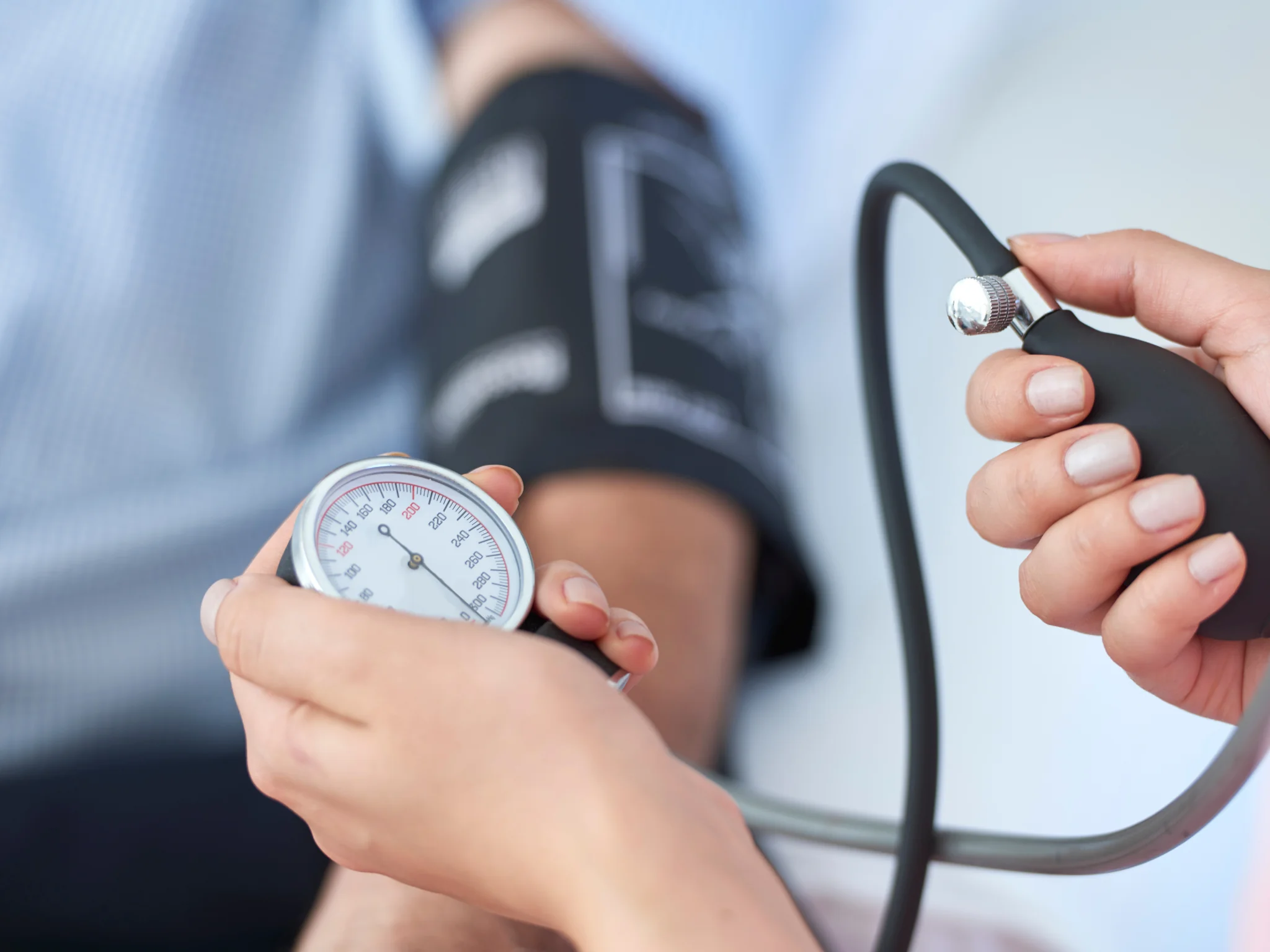
It’s High Blood Pressure Education Month! High blood pressure, also known as ‘hypertension’, is often called the “silent killer” because it doesn’t always cause noticeable symptoms. Many people feel completely fine, which is why it can go undetected for years.
But even without symptoms, elevated blood pressure can increase your risk for serious health issues over time, including heart disease and stroke.
Blood pressure is measured using two numbers:
- The top number (systolic) measures pressure when your heart beats
- The bottom number (diastolic) measures pressure when your heart rests
In general, a reading of 120/80 mmHg is considered normal. Consistently higher readings may indicate elevated blood pressure or hypertension.
It’s important to get checked regularly. High blood pressure often has no clear symptoms; routine checks are the best way to stay informed.
You may be at higher risk if you:
- Have a family history of hypertension
- Experience high stress levels
- Are not physically active
- Have a diet high in sodium
Even if you feel healthy, it’s important to know your number and know that small changes can make a big difference.
Managing blood pressure doesn’t always require major lifestyle changes. Small, consistent habits can help keep your numbers in a healthy range:
- Stay active with regular movement
- Reduce sodium intake when possible
- Stay hydrated
- Manage stress through rest and routine
- Limit alcohol and caffeine
If you haven’t had your blood pressure checked recently, or if you’ve experienced symptoms like headaches, dizziness, or fatigue, it may be time for a quick evaluation.
Our providers can check your blood pressure, evaluate your symptoms, and help determine next steps if your readings are elevated. Early awareness and management can make a meaningful difference in your long-term health.
Walk in or check wait times online to get started!

Favorite Platform
New Content

