

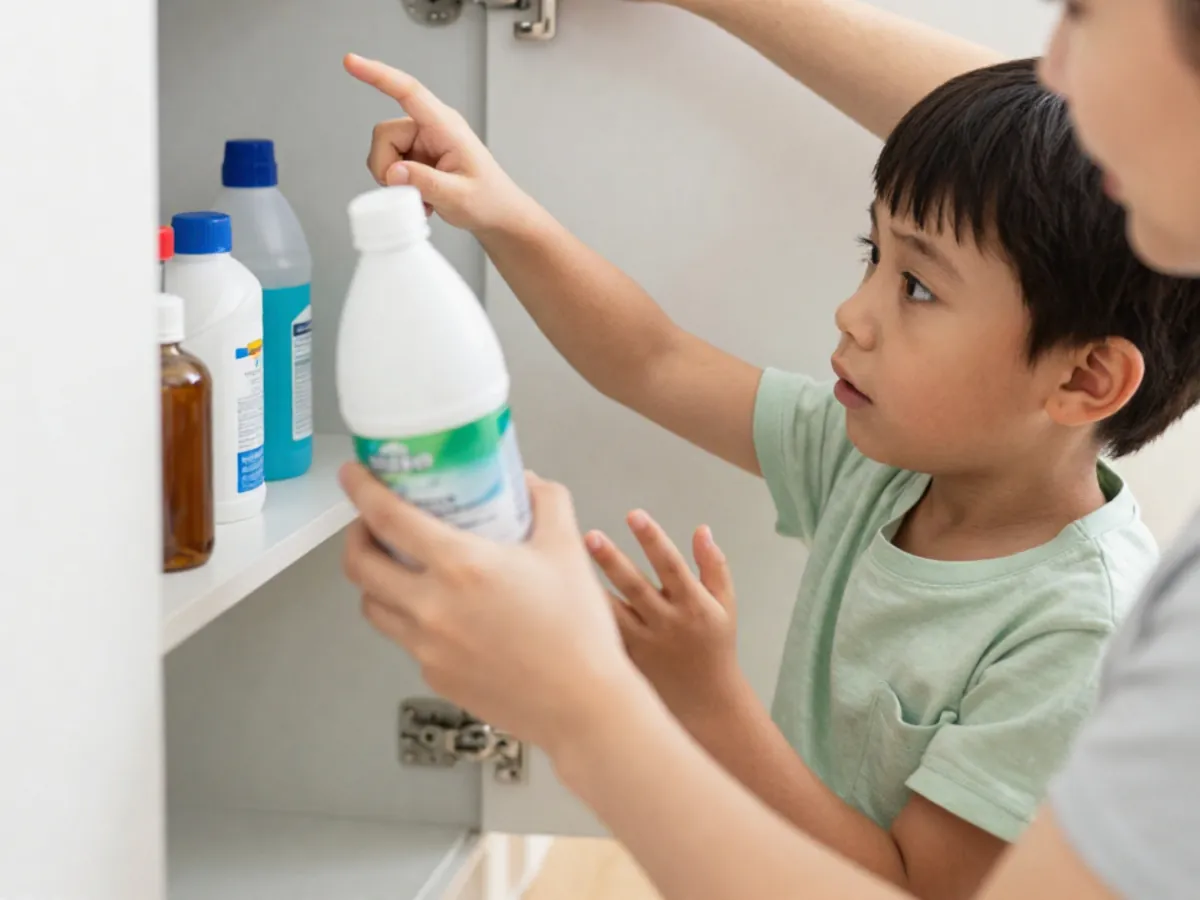
Each year, Poison Prevention Week in March highlights the importance of recognizing and preventing accidental poison exposures. Many poison-related incidents happen in the home and often involve everyday products that may seem harmless. Understanding where risks exist and taking a few simple precautions can help keep families safe.
Common Household Items That Can Be Dangerous
Many common household items can be harmful if swallowed, inhaled, or used incorrectly. Children are particularly at risk because they are naturally curious and may explore their environment by touching or tasting objects.
Some of the most common sources of accidental poisoning include:
- Medications that are left within reach or not stored securely
- Cleaning products such as bleach, detergents, and disinfectants
- Laundry and dishwasher pods
- Button batteries are found in small electronics and toys
- Cosmetics and personal care products
- Cannabis edibles or supplements that may resemble candy
Even small amounts of certain substances can cause serious symptoms, especially for young children.
Medication Safety at Home
Prescription and over-the-counter medications are one of the most common sources of accidental poisoning. Many exposures happen when medications are left on countertops, in purses, or in places where children can easily reach them.
To reduce risk:
- Store medications in locked cabinets or containers
- Keep medications in their original packaging
- Avoid referring to medicine as “candy” when giving it to children
- Follow the dosing instructions carefully
It is also important to safely dispose of unused or expired medications.
Hidden Risks Parents May Not Expect
Some poison risks are not immediately obvious. Button batteries, for example, can cause serious injury if swallowed because they can create a chemical reaction in the body. These batteries are commonly found in remote controls, key fobs, toys, and small electronics.
Similarly, certain household plants, essential oils, and supplements may be harmful if ingested in large amounts.
Being aware of these potential hazards can help families prevent accidents before they occur.
Signs of Possible Poison Exposure
Symptoms can vary depending on the substance involved, but some warning signs may include:
- Sudden nausea or vomiting
- Burns or irritation around the mouth
- Difficulty breathing
- Confusion or unusual drowsiness
- Seizures
- Unusual odors on the breath
If poisoning is suspected, it is important to seek help immediately.
What to Do in an Emergency
The Poison Control Center is available 24 hours a day and can provide immediate guidance. Their national hotline is 1-800-222-1222.
In cases of severe symptoms such as difficulty breathing, seizures, or loss of consciousness, emergency medical care should be sought right away.
Urgent care can also help evaluate certain exposures or symptoms when appropriate.
Taking simple steps such as storing medications safely, keeping household products secured, and staying aware of potential hazards can help prevent many poison-related emergencies. Awareness and prevention are key to keeping families safe.

Favorite Platform
New Content